The EFTA bloc, comprising Switzerland, Norway, Iceland, and Liechtenstein, has a relatively small population but a combined GDP of about €1.3 trillion (US$1.5 trillion), high living standards, and strong demand for high-quality products.
The Việt Nam – Israel Free Trade Agreement (VIFTA), which officially took effect in November 2024, has given a significant boost to bilateral trade, with the turnover estimated at over US$3.7 billion in 2025, according to Vietnamese Trade Counsellor in...
Việt Nam needs to step up international cooperation to accelerate its energy transition as the country faces rising electricity demand, experts said at a conference held by the Institute for Brand and Competitive Strategy on Tuesday in Hà Nội.
From an underdeveloped economy, Việt Nam has grown into one of the world’s 32 largest economies with its economic scale expanding nearly 100 folds since 1986 and per-capita income from below $100 to nearly $5,000.
Việt Nam and the European Free Trade Association have launched the 18th round of free trade talks in Đà Nẵng, aiming to reach a basic agreement, the Ministry of Industry and Trade said.
ASEAN’s rapidly growing consumer market continues to present major opportunities for Vietnamese enterprises, though firms are increasingly required to meet higher technical and origin standards.
The latest round of talks will take place in Kuala Lumpur from February 17 to 20, with discussions covering 11 key sectors, including goods, services, investment and economic cooperation.
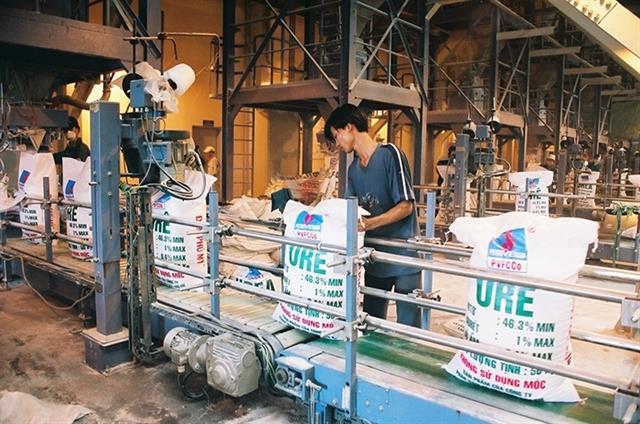
Free trade agreements (FTA), including the latest one signed between Viet Nam and the EU, will benefit the domestic fertiliser sector, with more diverse import and export markets, experts said.
Joining new-generation free trade agreements (FTAs) will help Viet Nam diversify its economic and trade relations, especially expanding import and export markets, avoiding excessive dependence on a specific region and helping the economy cope better with external fluctuations.
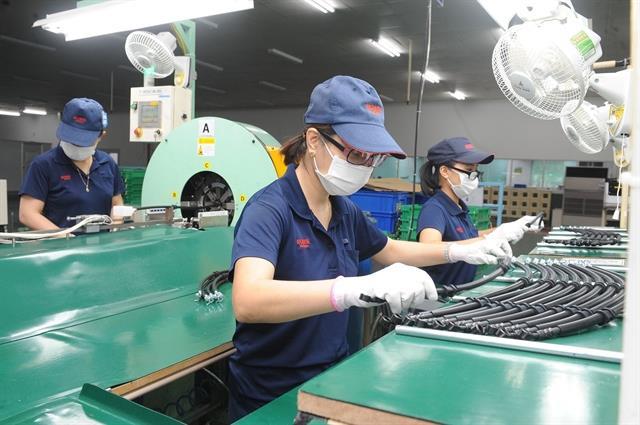
According to Vietnam Customs, total tax collection of the sector has so far reached VND335.6 trillion (US$14.5 billion), an 11.6 per cent year-on-year increase and exceeding the target of the finance ministry.
Reduced revenue from removing taxes on imported goods - in accordance with various free trade agreements (FTA) that Viet Nam has signed - is unlikely to affect state revenue.
Opportunities provided by free trade agreements (FTAs) will only exist on paper if local authorities and enterprises do not take prompt and concrete actions to take advantage.